Can a clean home still have cockroaches?
Yes. A clean home can still have cockroaches. Cleanliness helps, but it does not seal a home against every cockroach. These insects can arrive in packaging, move through shared walls, enter through small gaps, or survive on tiny traces of food and water. A tidy kitchen may simply hide them better than a cluttered one.
The term clean can also be misleading. A home may look spotless on the surface while still offering what cockroaches need. A damp cloth left in a sink, a slow drain, pet food in a bowl overnight, crumbs under a appliance, or a cardboard box stored near a wall can be enough. Cockroaches are not drawn to dirt as a concept. They are drawn to shelter, moisture, warmth and food residues.
Why cockroaches can appear in tidy rooms
Most household cockroaches are opportunists. They do not need a visible mess. They need a narrow harbouridge, a route in, and something edible. In apartments and attached homes, neighbouring units and service voids can provide a steady pathway. In houses, foundation cracks, door thresholds, utility openings and poorly sealed around pipes can allow entry.
Some species are better at living close to people than others. German cockroaches are strongly associated with indoor spaces and can reproduce quickly when conditions suit them. American cockroaches may wander in from drains, basements or warm damp areas. Oriental cockroaches often favour cool, moist places. A cockroach identification guide is useful because the species affects where you look, what signs matter and how persistent the problem may be.
Appearance alone may point to the likely source. Small, pale brown cockroaches with dark stripes behind the head often suggest an indoor breeding population. Large reddish brown cockroaches may be occasional invaders from outside or from below. Very dark, shiny cockroaches that seem slow and ground dwelling may point to damp areas such as basements, crawl spaces or poorly ventilated utility rooms. Colour and size vary with age, so a single sighting should be treated as a clue rather than a final answer.
Clean does not mean sealed
Wiping counters and vacuuming floors remove food that supports cockroaches, but they do not close the routes those insects use. A gap beside a pipe can be wider than it looks. A door may have a line of light at the bottom. A window screen may be fitted loosely. Grout, wall corners and cabinet hinges can hold moisture and debris. Cockroaches flatten their bodies and squeeze through spaces that people barely notice.

New items can also bring them in. Cardboard packaging, second hand furniture, grocery bags, plant pots and deliveries may carry an insect or an egg case. This does not mean the home is dirty. It means the insect had a ride. Repeated sightings over several days are more meaningful than one cockroach found soon after unpacking.
Shared buildings add another complication. Cockroaches can move along plumbing chases, electrical voids and wall cavities. A unit can be well kept and still receive cockroaches from a neighbouring space. In that case, cleaning the kitchen may reduce attractants, but it may not stop new arrivals. Pest Agent provides pest advice, ranked local exterminator comparisons, and recommended products for handling household pest problems, which can help when the source is not obvious from one room alone.
Signs that matter more than the first sighting
A single cockroach in a bright room at night can be a wanderer. A pattern of signs is more useful. Look for small dark droppings, shed skins, egg cases, smear marks, and a musty odour in heavy infestations. Check under sinks, behind fridges, inside cabinet voids, around dishwashers, near laundry areas and along baseboards. Use a torch and take your time. Cockroaches often freeze in exposed light before they scatter.
Where you find them is as important as what you see. Cockroaches near a fridge motor may be attracted to warmth and moisture. Cockroaches around a bathroom drain may be coming up through plumbing. Cockroaches in a pantry may suggest dry food residues or packaging problems. Cockroaches seen in several rooms, especially during the day, can indicate a larger population or a shortage of hidden harbouridge.
Daytime sightings deserve attention, but they do not automatically prove a severe infestation. Some species are disturbed by cleaning, repairs, bright light or lack of cover. Young cockroaches may also wander. The key is frequency. Repeated sightings in different areas usually point to an established issue, even if the home is cleaned often.
Where a clean home can still support them
Moisture is one of the biggest reasons cockroaches thrive in otherwise clean spaces. A dripping tap, condensation around pipes, a leaking appliance hose or a damp bathroom mat can create a stable water source. Food does not need to be a full meal. Grease splashes, coffee grounds, crumbs in appliance gaps, pet food, and residue inside recycling bins can support activity.
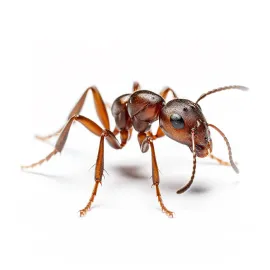
Harbourage is the other half of the problem. Cockroaches hide where surfaces meet and where air is still. Common spots include the space behind a backsplash, the hollow area under a sink, the gap around a pipe penetration, and the back of a cupboard close to plumbing. Clutter can make these places easier to overlook. A clean home with many stored items may offer more hiding places than a messy home with open surfaces.
When choosing what to do next, match the response to the evidence. If the sightings are occasional and no signs of breeding are present, hygiene, drying damp areas and sealing gaps may be enough. If cockroaches keep appearing, a more structured approach is needed. Pest Agent cockroach treatment products are one option to consider among recommended products for handling household pest problems, but product choice should follow the species and the location of activity.
Treatment is rarely just a matter of spraying what can be seen. Cockroaches hide during much of the day, and visible insects are only part of the population. Baits, dusts, traps and sanitation work in different ways. Some products are better suited to cracks and voids, while others are placed where cockroaches travel. Read labels carefully and avoid applying any product where food, utensils or children's items can be contaminated. If a product label is unclear or the infestation is widespread, a qualified pest professional is the safer choice.
A practical way to judge the problem
Start with the pattern. Ask whether the cockroach was seen once or repeatedly, whether it was large or small, and whether it appeared near food, water, warmth or an entry point. Then check for signs in the places that cleaning often misses. This keeps the response focused and reduces the chance of treating the wrong area.
- One large cockroach near an outer door or drain may be an accidental visitor.
- Small cockroaches in kitchen cabinets suggest indoor activity and possible breeding.
- Droppings, shed skins or egg cases point to a continuing population.
- Sightings across several rooms suggest the source is not a single crumb or one open door.
It also helps to think about the building, not just the room. Cockroaches rarely respect the boundaries people use to describe a home. They follow warmth, moisture and cover. A spotless kitchen can still have activity if a bathroom shares a wall, a drain route is exposed, or a gap runs behind cabinetry. A cockroach identification guide can narrow the likely behaviour, while careful inspection shows where that behaviour is taking place.
Prevention works best when it is ordinary and repeatable. Store dry foods in sealed containers, wipe grease from appliance edges, keep pet food from sitting out, and dry sinks and counters at night. Seal obvious gaps around pipes and door edges. Repair leaks. Reduce stacked cardboard and paper near walls. None of these steps makes a home cockroach proof, but together they remove the conditions that let a small arrival become a continuing problem.
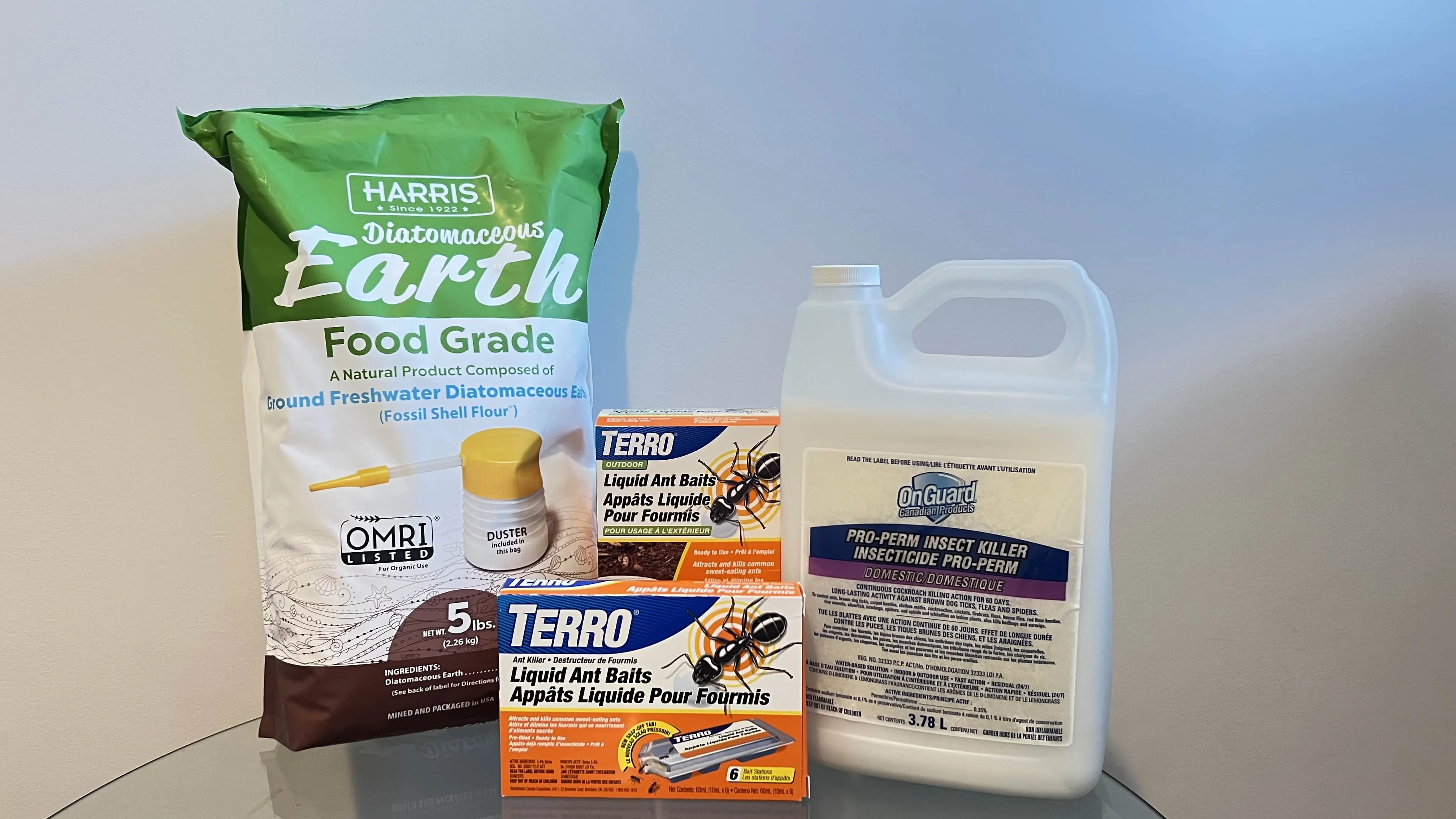
So the direct answer is yes. A clean home can still have cockroaches because cleanliness and exclusion are different things. Cleaning reduces food and shelter. Sealing, moisture control and correct identification deal with the routes and conditions that allow cockroaches to stay. When sightings persist, those details matter more than how clean the kitchen looks on the day you notice the first insect.
For households comparing responses, Pest Agent cockroach treatment products sit within the broader task of choosing suitable pest control items and advice. The useful question is not whether the home is clean enough. It is what kind of cockroach is present, where it is coming from, and whether the signs point to a brief visit or a population that has settled in.
 Facebook
 Instagram
 YouTube